
 Print
Print
Caijin Town, Wutongqiao District, Leshan City: Alisma seedling is in season, adding a “good prescription” to increase farmers income
2025/07/01 16:13
Origin:cced.cn


In mid-summer, the fields of Shuhe Village in Caijin Town are bustling with activity. The farmers of Mingming Zexia Cooperative are diligently carrying out tasks such as weeding and pest control for the new Zexia seedlings, preparing for the transplanting of Zexia after the rice harvest in August. This year, the cooperative has nearly 30 mu (about 20 acres) dedicated to Zexia seedling cultivation, which is expected to meet the planting needs of over 400 mu (about 27 acres) of large fields, ensuring the efficient 'rice-drug rotation' model for the next phase.
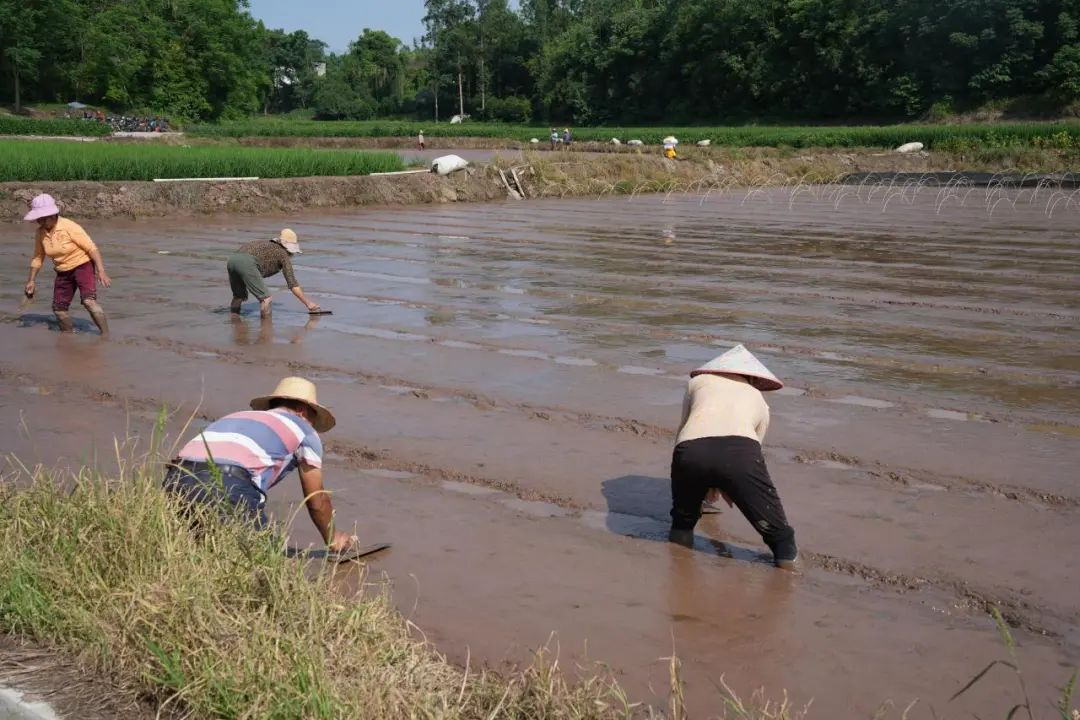
Alisma is a traditional Chinese medicine with significant medical value. It has a short cultivation period, taking only 4 months from planting to harvest, making it a valuable economic crop. After the rice harvest in August each year, the villagers of Caijin Town convert their idle paddy fields into Alisma and other medicinal herbs, effectively utilizing land resources and significantly boosting the economic benefits for the villagers.
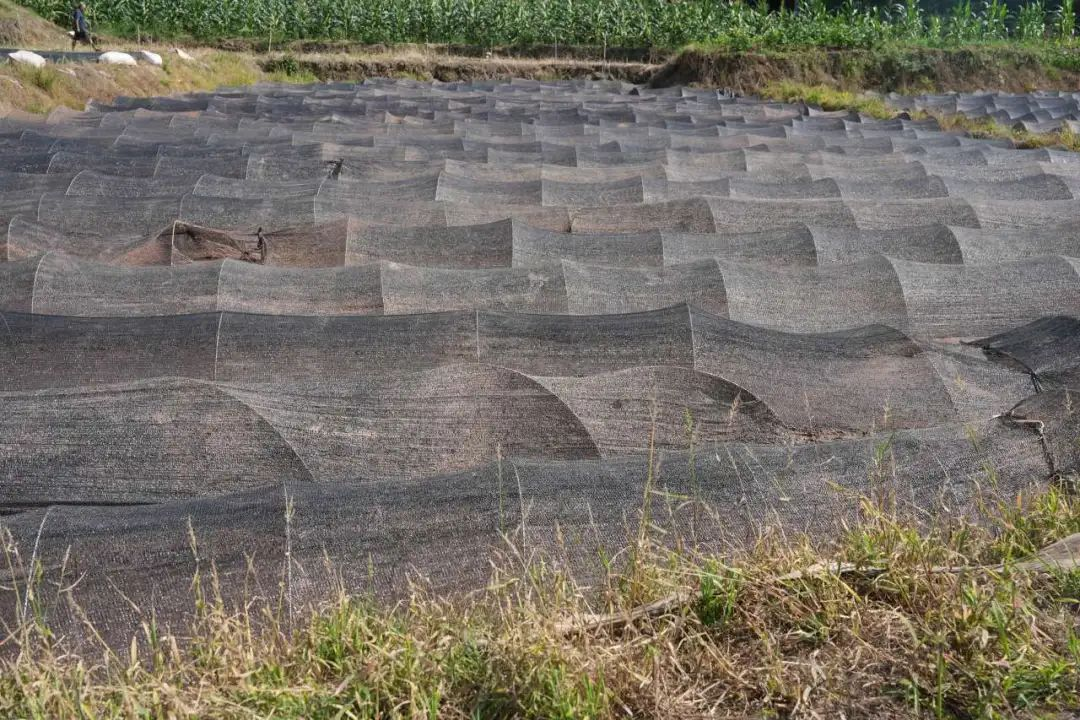
It is understood that in the seedling cultivation of Alisma, it is necessary to control pests and diseases and weed the fields to ensure the seedlings grow vigorously in fertile soil. After transplanting the Alisma by the end of August, the villagers will continue with fertilization, weeding, and pest and disease control until the harvest in late December. "This year, we have cultivated about 30 mu (approximately 20 acres) of seedlings. Each mu can be transplanted to 15 to 20 mu of large fields, totaling over 400 mu. We expect to complete the transplanting work after the autumn harvest in mid-August," said Deng Yuxiao, the head of the Alisma Cooperative in Caijin Town.
The cultivation of Alisma is relatively simple, with low labor intensity and high enthusiasm among the villagers. The development of the Alisma industry has provided local villagers with job opportunities right at their doorstep. "This year, we hired over 30 villagers from the surrounding areas to work during the seedling cultivation period, paying them an average of 140 yuan per day. This has increased their income by about 1800 yuan per person," said Deng Yuxiao.
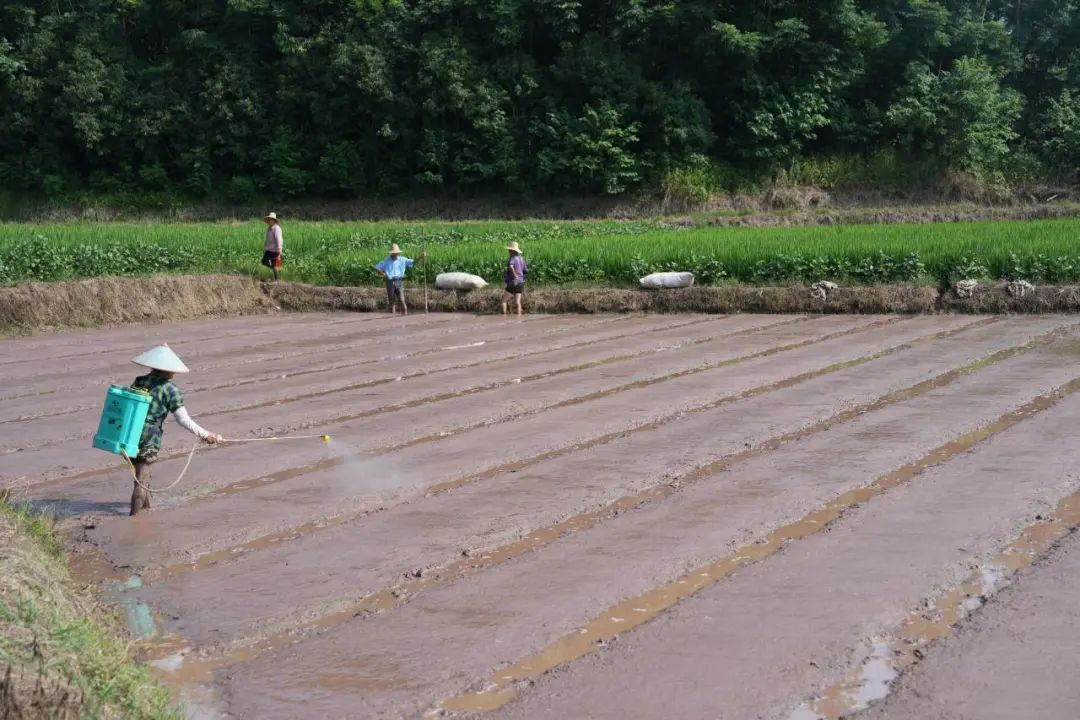
Caijin Town, a traditional area for 'grain and medicinal herb rotation' in Wutongqiao District, has adopted a model of alternating rice and Alisma with the aim of producing authentic Chinese medicinal herbs and improving land use efficiency. This approach not only boosts rural development but also increases farmers' income. (Contributed by: Wutongqiao District Media Center, Zhu Lijun)
Copyright © CCEDN.COM.CN. All Rights [京ICP备2024049485号-1] Tel: 0086-10-88820521